You know the feeling all too well. You hit the end of a grueling eight-hour workday, close your laptop, and realize you spent the entire day putting out fires, answering emails, and attending meetings—yet your actual to-do list hasn’t moved an inch. Whether you are balancing a 9-to-5 remote job with a freelance side hustle, or managing the chaotic morning school drop-off while trying to prep for a 9:00 AM Zoom call, time always feels like it is slipping through your fingers.
We live in a culture that glorifies the “hustle,” but burning the candle at both ends is not a sustainable strategy. True success isn’t about squeezing more hours into your day; it is about maximizing the impact of the hours you already have. This is the essence of the “work smarter, not harder” philosophy.
In this ultimate guide, we will move past generic advice and dive into actionable productivity tips that actually work. You will learn how to reclaim your schedule, protect your energy, and build a sustainable routine that supports both your career ambitions and your work-life balance. Let’s get started.
Why Time Management Matters
Effective time management is the invisible thread that connects your daily actions to your long-term goal setting. When you take control of your calendar, the benefits ripple through every area of your life.
First, it drastically improves your focus and concentration. When you aren’t constantly wondering what you should be doing next, your brain is free to engage in deep work—the kind of high-level cognitive effort that produces exceptional results. Research suggests that professionals who actively manage their time report significantly lower stress levels and higher job satisfaction. By eliminating the frantic rush to meet deadlines, you reduce the cortisol spikes that lead to burnout.
Furthermore, mastering your time directly impacts your income potential. For freelancers and entrepreneurs, time is literally money. For corporate professionals, the ability to deliver high-quality work efficiently makes you a prime candidate for promotions and leadership roles. Finally, good time management buys you back your personal life. It is the key to leaving the office (or logging off the server) at 5:00 PM with a clear conscience, allowing you to be fully present for your family, your hobbies, and your health. Ultimately, managing your time is about managing your life.
Common Time-Wasting Traps
Before we can build better habits, we need to identify the leaks in your schedule. Here are five typical traps that destroy remote work productivity and office efficiency alike, along with quick fixes to stop them in their tracks.
1. The Multitasking Myth
- The Trap: You are writing a report while simultaneously monitoring Slack, listening to a podcast, and eating lunch. You feel busy, but your brain is actually just rapidly switching contexts, which drains cognitive energy and increases errors.
- The Quick Fix: Practice single-tasking. Close all browser tabs except the one you need, put your phone in another room, and focus entirely on one task until a milestone is reached.
2. Endless Email and Slack Tethering
- The Trap: Treating your inbox like a real-time chat app. Every notification pulls you out of your workflow, and it takes an average of 23 minutes to regain deep focus after an interruption.
- The Quick Fix: Implement strict email management. Turn off desktop notifications and only check your inbox during designated windows (e.g., 9:00 AM, 12:00 PM, and 4:00 PM).
3. Unclear Priorities (Busy vs. Productive)
- The Trap: Spending three hours perfectly color-coding a spreadsheet that no one will read, while ignoring the strategic proposal due tomorrow. Motion is not the same as action.
- The Quick Fix: Use prioritization techniques like the Eisenhower Matrix to separate tasks that are urgent from tasks that are actually important.
4. Poor Meeting Efficiency
- The Trap: Accepting every calendar invite that comes your way, resulting in “Zoom fatigue” and fragmented workdays where you never have more than 30 consecutive minutes to think.
- The Quick Fix: Decline meetings without a clear agenda. If you must attend, ask if your presence is strictly necessary or if you can just review the meeting notes afterward.
5. A Lack of Boundaries
- The Trap: Answering “quick questions” from colleagues or clients at 8:00 PM because you are afraid of seeming unhelpful, which trains them to expect 24/7 availability.
- The Quick Fix: Set clear working hours and communicate them. Use status indicators on communication apps to signal when you are in “Do Not Disturb” mode.
Core Principles of Working Smarter
To transition from overwhelmed to organized, you need a foundational framework. Here are eight core principles to help you work smarter not harder.
1. Ruthless Prioritization
Not all tasks are created equal. Use the 80/20 rule (Pareto Principle), which states that 80% of your results come from 20% of your efforts. Identify that vital 20% and tackle it first thing in the morning. [Internal Link: /morning-routine-template]
2. Batching Tasks
Batching tasks involves grouping similar, low-cognitive tasks together and doing them all at once. Instead of processing invoices one by one throughout the week, dedicate Friday afternoon to processing them all in a single, focused sprint.
3. Time Blocking
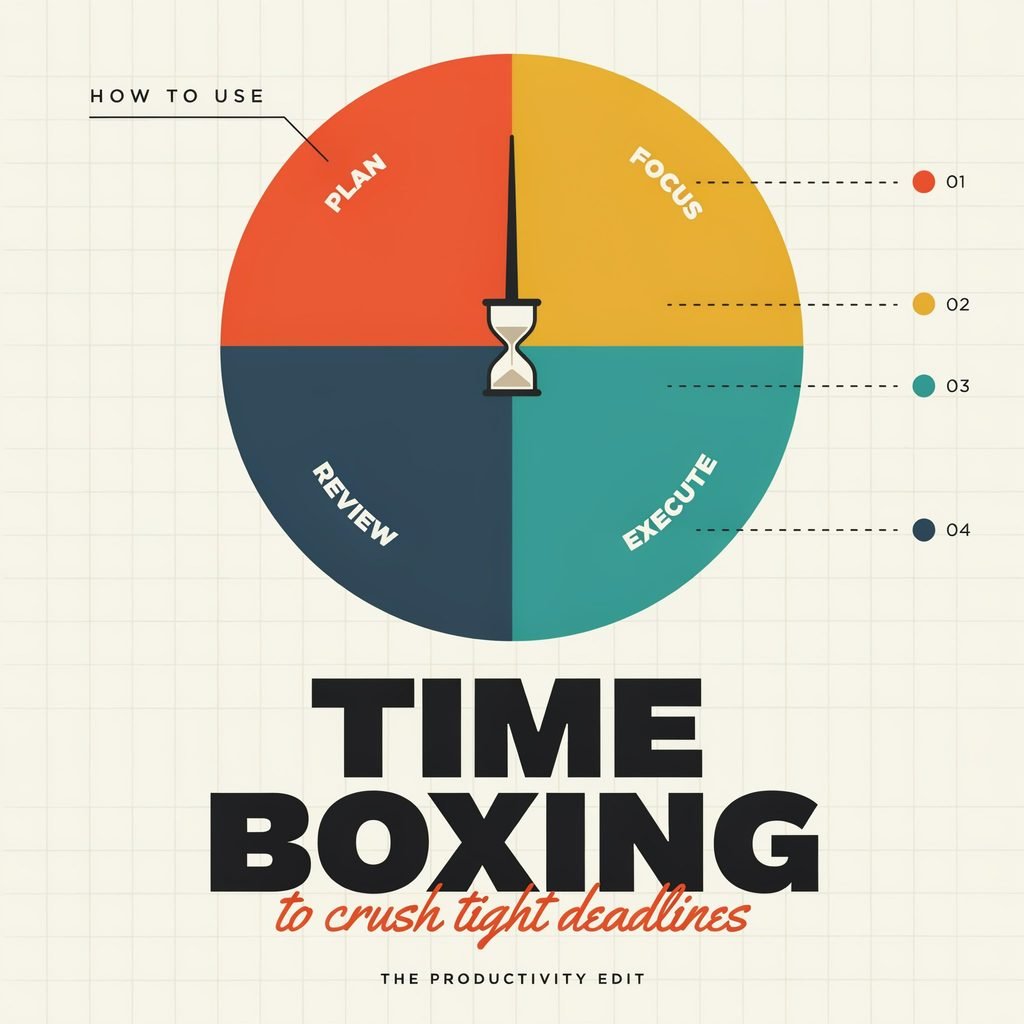
Time blocking is the practice of assigning a specific time window to every task on your to-do list. Instead of working from an open-ended list, you work from your calendar. This creates a psychological contract with yourself to finish the task within the allotted window.
4. Single-Tasking and Deep Work
Protect your deep work sessions fiercely. This is the time reserved for complex problem-solving, writing, or coding. During these blocks, you must reduce distractions entirely. [Internal Link: /how-to-deep-work]
5. Delegation Strategies
You cannot do it all. Identify tasks that fall below your “hourly rate” or outside your zone of genius. Whether you delegate to a virtual assistant, a junior team member, or an automated software, passing off lower-leverage tasks frees you up for high-impact work.
6. Automation
Leverage technology to handle repetitive tasks. Use tools like Zapier or native app integrations to automatically save email attachments to specific folders, schedule social media posts, or send follow-up reminders.
7. Energy Management
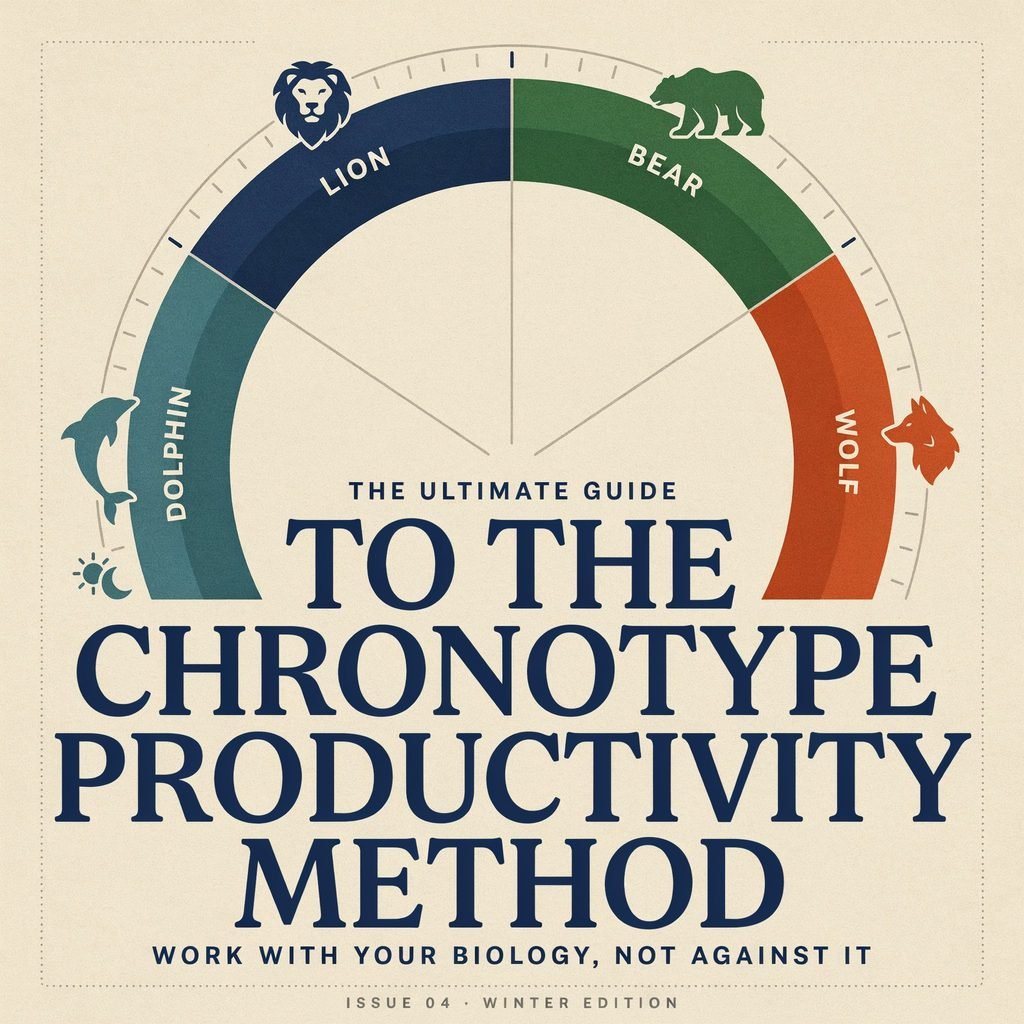
Time is finite, but energy is renewable. Pay attention to your circadian rhythm. If you are most alert at 8:00 AM, schedule your hardest work then. Save administrative tasks for your mid-afternoon slump.
8. The Power of Saying “No”
Every time you say “yes” to a minor request, you are saying “no” to your own priorities. Protect your time blocks politely but firmly. A simple, “I’m currently focused on a major deadline and can’t take this on right now,” is a complete sentence.
Your 30-Day Time Management Action Plan
Transforming your habits takes time. Instead of overhauling your life overnight, follow this 4-week step-by-step plan to build habits and consistency.
Week 1: Audit and Block
- The Goal: Understand where your time actually goes.
- Daily Task: Use a time-tracking app or a simple spreadsheet to log your activities in 30-minute increments for five days.
- Weekly Task: Review the data. Identify your biggest time-wasters. Then, open your calendar and practice time blocking for the upcoming week, scheduling your top priorities first.
Week 2: Boundaries and Email
- The Goal: Stop reactive work and protect your focus.
- Daily Task: Implement the “email batching” rule. Only open your inbox three times a day. Turn off all non-essential push notifications on your phone and desktop.
- Weekly Task: Audit your recurring meetings. Decline or cancel at least one meeting that does not provide direct value to your current goals.
Week 3: Deep Work and Energy
- The Goal: Align your hardest tasks with your peak energy levels.
- Daily Task: Identify your “biological prime time” and schedule a 90-minute deep work block during that window every day. Guard this time aggressively.
- Weekly Task: Review your task list and identify two tasks you can delegate or automate. Set up the necessary tools or conversations to hand them off.
Week 4: Review and Optimize
- The Goal: Build a long-term system for continuous improvement.
- Daily Task: Spend the last 10 minutes of every workday doing an “End of Day Review.” Clear your physical and digital workspace, and write down your top 3 priorities for tomorrow.
- Weekly Task: Institute a weekly review every Friday afternoon. Look at what you accomplished, adjust your goals for next week, and celebrate your wins.
The 1-Week Experiment:
If 30 days feels daunting, start with a 1-week experiment: Time Block and Track. For five days, schedule every single hour of your workday, including breaks. At the end of the week, measure your success not by how many hours you worked, but by how many high-priority projects you completed.
Sample Focused Workday Schedule:
- 7:00 AM – 8:00 AM: Morning routine (exercise, breakfast, no screens).
- 8:00 AM – 8:30 AM: Daily planning and email triage.
- 8:30 AM – 11:00 AM: Deep Work Block 1 (Highest priority project).
- 11:00 AM – 12:00 PM: Meetings and collaborative work.
- 12:00 PM – 1:00 PM: Lunch and screen-free walk.
- 1:00 PM – 2:30 PM: Admin, batching tasks, and email.
- 2:30 PM – 4:00 PM: Deep Work Block 2 or Side Hustle focus.
- 4:00 PM – 4:30 PM: End-of-day review and shutdown ritual.
Tools, Templates, and Hacks
You don’t need a hundred different apps to be productive. You just need the right productivity tools used correctly.
Recommended Tool Categories:
- Calendar Apps: Google Calendar or Outlook (for time blocking).
- Task Manager App: Todoist, Asana, or Things 3 (for capturing ideas and organizing projects). [Internal Link: /best-time-tracking-apps]
- Focus Timer (Pomodoro): Forest or Be Focused (to gamify your concentration).
- Automation Tools: Zapier or Make (to connect your apps).
6 Practical Productivity Hacks
- The Two-Minute Rule: If a task takes less than two minutes to complete (like replying to a quick text or filing a document), do it immediately. Don’t add it to your to-do list.
- Email Batching: As mentioned, restrict inbox access to specific times to avoid the dopamine trap of clearing notifications.
- The “Daily Highlight”: Instead of a list of 20 things, identify the one absolute must-do task for the day. If you only accomplish that one thing, the day is a success.
- Meeting Agendas: Never accept or host a meeting without a bulleted agenda and a stated desired outcome.
- Tech Boundaries: Use website blockers like Freedom or Cold Turkey during deep work sessions to prevent doom-scrolling.
- Habit Stacking: Tie a new productivity habit to an existing one. For example, “While I drink my morning coffee (existing habit), I will review my top 3 priorities for the day (new habit).”
📝 Template: Daily Priority Checklist
Keep this simple template on your desk to maintain focus and concentration:
- Top 3 Priorities:
- [Crucial Task – Do First]
- [Important Task – Do Second]
- [Admin/Quick Task – Do Later]
- Mini-Focus Blocks:
- [ ] Block 1 (25-50 mins): ___
- [ ] Block 2 (25-50 mins): ___
- End-of-Day Review:
- [ ] Inbox cleared/processed?
- [ ] Tomorrow’s Top 3 written down?
- [ ] Desk cleared?
Overcoming Resistance & Staying Consistent
Even with the best daily planner and a calendar full of time blocks, you will face resistance. Motivation is fleeting; systems are reliable. When you inevitably fall off the wagon and spend three hours scrolling social media, avoid the spiral of guilt.
Adopt the “Never Miss Twice” mental model. If you ruin your morning routine, you haven’t ruined the day. You simply reset and execute your afternoon time block perfectly.
To maintain habits and consistency, build in accountability. Share your weekly goals with a colleague or a friend. Use visual habit trackers where you physically cross off days you stuck to your plan—the visual momentum is highly motivating. Finally, adjust your expectations. If you consistently fail to complete your daily list, you are likely overestimating your capacity. Cut your daily goals in half and build confidence through small, consistent wins.
Quick FAQs
Is time blocking realistic for jobs with constant interruptions?
Yes, but it requires flexibility. If you are in a reactive role (like IT support or customer service), block out “buffer times” for unexpected fires, and communicate your “available hours” to your team so they know when you are off-limits for deep work.
How do I stop multitasking when everything feels urgent?
Start small. Use a focus timer (Pomodoro) for just 25 minutes. Tell yourself, “I only have to do this one thing for 25 minutes, and then I can check Slack.” Usually, once you start, the momentum will keep you going past the timer.
How long until I see results from these time management strategies?
You will feel a difference in your stress levels within the first 48 hours of implementing boundaries and single-tasking. However, seeing massive shifts in your output and work-life balance typically takes about 3 to 4 weeks of consistent practice.
Conclusion
Working smarter, not harder, is not about finding a magic shortcut; it is about respecting your time, your energy, and your goals enough to build a system that supports them. By identifying your time-wasting traps, applying core principles like time blocking and batching, and sticking to a consistent routine, you can reclaim your days and reduce your stress.
Don’t wait for Monday to start. Try one small experiment today: block out just 90 minutes this afternoon for focused, single-tasked work, and watch how much you accomplish.