You know that feeling. The alarm goes off, you roll out of bed, grab your coffee, and open your laptop. Within minutes, you’re deep in the quicksand of emails, Slack messages, and social media scrolls. Hours pass, and when you finally look up, that big, important project—the one that actually matters—is still untouched. The guilt creeps in, stress builds, and once again, you’ve wasted another day on busywork while the needle on what truly counts barely moved.
If this sounds familiar, you’re not alone. It’s one of the most common productivity pitfalls for professionals, students, and entrepreneurs across the United States. But there’s a time-tested solution that has transformed the work habits of millions: the principle of “eat that frog.”
It sounds strange, we know. But this quirky phrase, rooted in timeless wisdom, holds the key to mastering time management, beating procrastination, and achieving genuine personal productivity. In this article, we’ll break down exactly what eating the frog means, why it works so well, and how you can apply it starting tomorrow morning to get more done with less stress.
What Does “Eat That Frog” Mean?
The phrase “eat that frog” comes from a famous quote often attributed to Mark Twain: “If it’s your job to eat a frog, it’s best to do it first thing in the morning. And if it’s your job to eat two frogs, it’s best to eat the biggest one first.”
The idea is simple but powerful. Your “frog” is that one most difficult, important, or unpleasant task looming over your day—the thing you’re most likely to procrastinate on, yet the one that would have the greatest positive impact on your work or life if you completed it.
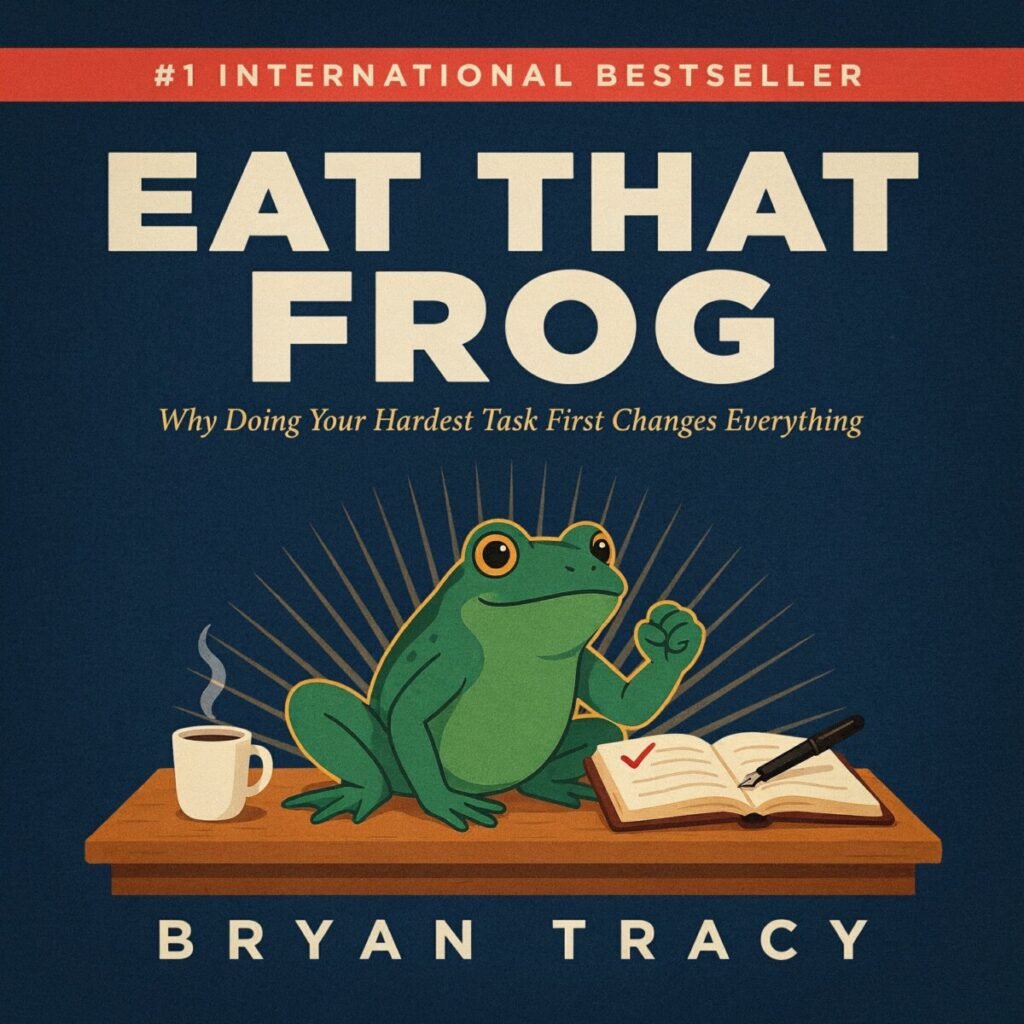
The concept was popularized in productivity circles by author and speaker Brian Tracy in his bestselling book Eat That Frog!, which provides a framework for daily productivity habits based on task prioritization. Tracy’s core message is clear: identify your biggest, most consequential task—the frog—and tackle it first thing in the morning, before distractions and decision fatigue have a chance to derail you.
Think about your own day. Your frog might be:
- Finishing a challenging client proposal
- Making a difficult phone call you’ve been avoiding
- Writing the first draft of an important report
- Having a tough conversation with a team member
- Studying for a high-stakes exam
Whatever it is, the principle holds: the hardest task first. When you eat the frog early, the rest of your day gets lighter. You’ve already accomplished the thing that would have weighed on your mind and drained your energy.
Why Doing the Hardest Task First Actually Works
At first glance, it might seem counterintuitive. Why would you throw yourself into the toughest challenge when your brain is still waking up? The answer lies in the science of willpower, decision fatigue, and mental energy.
Your Brain’s Morning Advantage
When you wake up after a good night’s sleep, your prefrontal cortex—the part of the brain responsible for focus, discipline, and self-control—is at its freshest. This is your peak mental state. You have the most cognitive resources available to tackle high-impact tasks that require deep work and sustained concentration.
As the day wears on, your mental energy depletes. Every small decision you make—what to wear, what to eat, which email to answer first—chips away at your willpower reserves. By the time afternoon rolls around, your brain is tired, and you’re far more likely to choose easy, low-value tasks or simply zone out entirely.
This is why motivation and discipline are so much stronger in the morning hours. You’re fighting procrastination with a full tank of gas, not running on fumes.
The Psychology of Procrastination
We procrastinate not because we’re lazy, but because our brains are wired to avoid pain and seek immediate pleasure. A big, complex task triggers anxiety and discomfort, so we gravitate toward easier activities that provide quick dopamine hits—checking email, scrolling social media, organizing our desktop.
The “eat that frog” method works by flipping this script. By facing your hardest task first, you eliminate the source of your anxiety and free up mental bandwidth. Once the frog is eaten, the psychological weight lifts. You experience what psychologists call “cognitive relief,” and that sense of accomplishment creates positive momentum that carries you through the rest of the day.
Decision Fatigue and Mental Clutter
Every time you delay your most important task, it stays in the back of your mind, consuming mental energy even when you’re working on something else. It’s like having 20 browser tabs open in your brain—all of them draining your RAM. When you finally tackle that task first thing, you close the mental tab and improve concentration across everything else you do.
Benefits of Doing the Hardest Task First
When you commit to this practice as part of your morning productivity routine, the benefits compound over time. Here’s what you can expect:
Better Focus and Clarity
Starting your day with your most challenging task forces you to be intentional. Instead of letting the day happen to you, you take control from the very beginning. This creates a sense of clarity and purpose that influences every subsequent decision.
Increased Momentum
There’s a phenomenon in physics and psychology called momentum. When you accomplish something difficult early in the day, you create forward motion that makes it easier to stay productive. You’ve proven to yourself that you can do hard things, and that confidence builds throughout the day. Small wins become bigger wins.
Stronger Discipline and Consistency
Discipline isn’t about having superhuman willpower; it’s about building systems and habits that make the right choices automatic. When you consistently eat your frog each morning, you train your brain to expect and embrace challenge. Over time, what once required massive effort becomes second nature.
More Time for Creative and Strategic Work
Here’s the counterintuitive benefit: by doing your hardest task first, you actually create more space for the work you love. When the big thing is done, you’re free to focus on creative projects, strategic planning, or collaborative work without that nagging task hanging over your head.
Reduced Stress and Anxiety
Procrastination is a major source of stress. The longer you avoid a difficult task, the more power it has over you. By addressing it immediately, you eliminate the source of that stress and experience genuine relief that improves your overall well-being and work satisfaction.
Enhanced Personal Productivity
When you consistently prioritize high-impact tasks and work smarter, you accomplish more of what truly matters—not just what’s urgent. Your output increases, your quality improves, and you build a reputation as someone who delivers results.
How to Use the “Eat That Frog” Method in Your Daily Life
Knowing the concept is one thing; applying it consistently is another. Here’s a practical, step-by-step guide to implementing this method effectively:
Step 1: Identify Your Frog the Night Before
Effective planning starts the evening before. Before you go to bed, take five minutes to review your to-do list and ask yourself: “What is the one task that, if I completed it tomorrow, would have the biggest positive impact?”
This isn’t necessarily the most urgent task or the one with the tightest deadline. It’s the task that aligns most closely with your goal setting and long-term objectives. Write it down. Be specific. Instead of “work on project,” write “complete the executive summary for the Q3 client proposal.”
Step 2: Start Before Anything Else
This is crucial. Do not check your email. Do not open social media. Do not attend a morning meeting (if you can avoid it). Your frog must be the first meaningful work activity of your day.
Why? Because the moment you open your inbox, you’re letting other people’s priorities dictate your day. You’re reactive instead of proactive. Guard your first working hour like it’s sacred—because it is.
Step 3: Break Large Tasks into Manageable Steps
If your frog feels overwhelming, break it into smaller, actionable steps. “Write the quarterly report” might feel too big, but “outline the quarterly report” or “draft the first two sections” feels doable.
Start with the smallest possible step. Often, the hardest part is simply beginning. Once you’re in motion, it’s much easier to stay in motion. This is a key principle of task prioritization—you’re not trying to finish the entire project in one sitting; you’re trying to make meaningful progress on the most important part.
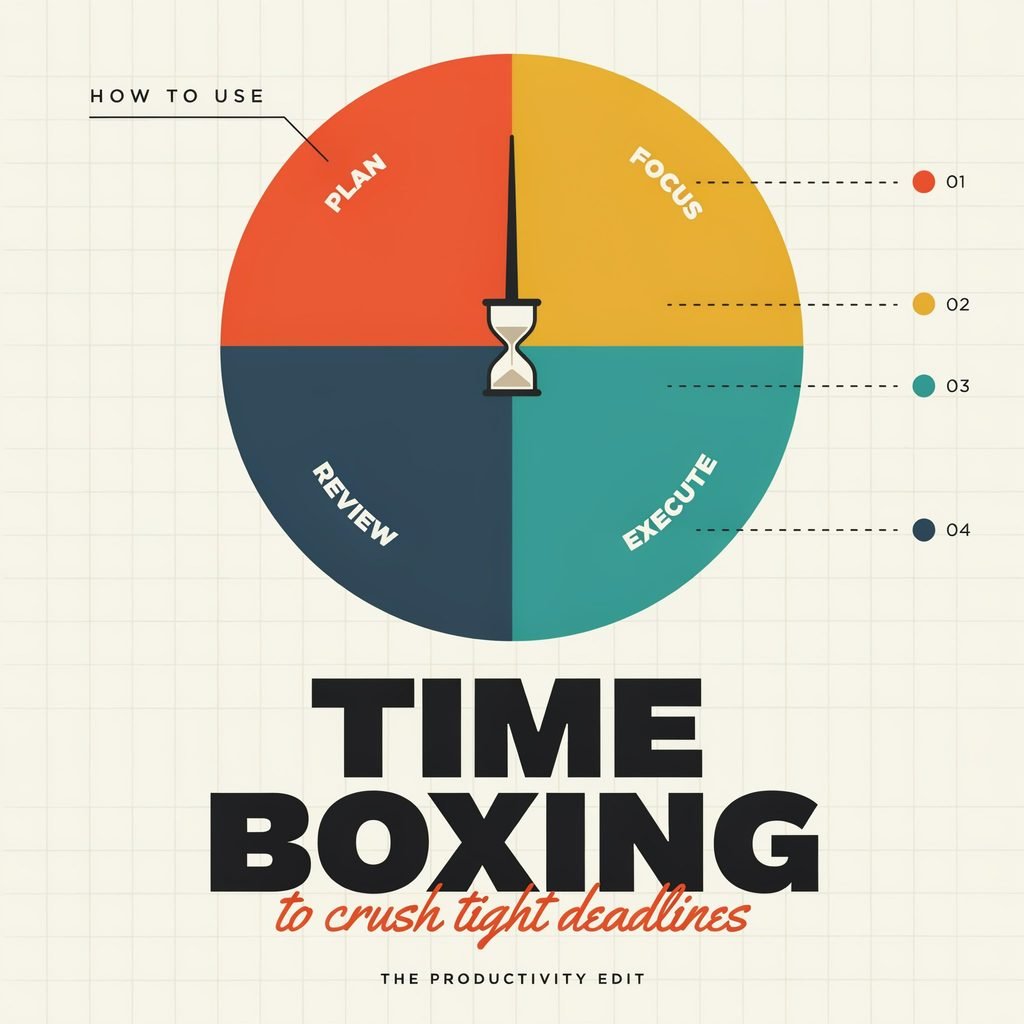
Step 4: Use Time-Blocking and Deep Work Sessions
Set a timer for 60 or 90 minutes and commit to focused work without interruption. This is what productivity expert Cal Newport calls “deep work”—cognitively demanding activities performed without distraction.
Put your phone in another room. Close unnecessary browser tabs. Let colleagues know you’re in a focused session. The structure of a time block creates urgency and helps you beat procrastination by making the work period finite and manageable.
Step 5: Reward Yourself
After you’ve eaten the frog, celebrate the win. This could be as simple as taking a five-minute break, enjoying a better cup of coffee, or simply acknowledging that you’ve done something difficult and important.
Rewards reinforce behavior. When your brain associates completing hard tasks with positive feelings, you’ll be more motivated to do it again tomorrow.
Common Mistakes to Avoid
Even with the best intentions, people often stumble when trying to implement this method. Here are the most common pitfalls and how to sidestep them:
Mistake 1: Confusing Urgent with Important
Your frog is not necessarily the task that’s screaming for attention right now. A ringing phone or urgent email might feel like the priority, but if it doesn’t align with your goals or have long-term impact, it’s not your frog.
Use the Eisenhower Matrix to distinguish between urgent and important tasks. Your frog lives in the “Important but Not Urgent” quadrant—the work that actually moves the needle.
Mistake 2: Getting Seduced by Small Wins
It’s tempting to start your day with easy, quick tasks just to feel productive. Checking off three small items feels good in the moment, but it’s productivity theater. You’re busy, but you’re not moving forward on what matters.
Remember: a completed to-do list full of trivial tasks is less valuable than one half-finished list containing your most important work.
Mistake 3: Waiting for Motivation
This is perhaps the biggest mistake. Many people wait to “feel like” doing the hard work. But motivation is fickle—it comes and goes. Discipline, on the other hand, is reliable.
Don’t wait for the perfect mood or the perfect conditions. Start messy. Start imperfect. The act of beginning often generates its own motivation. As author Steven Pressfield writes in The War of Art, the muse only visits those who show up and do the work.
Mistake 4: Making Your Frog Too Big
If your frog is “write a book” or “rebuild the website,” you’ve set yourself up for failure. These are projects, not tasks. They’re too vague and too massive to tackle in a single morning session.
Break projects down into specific, actionable tasks. Your frog should be something you can realistically complete or make substantial progress on within 60 to 90 minutes.
Mistake 5: Giving Up After One Day
Building any new habit takes time. You’ll have days when you skip your frog, get distracted, or simply don’t have the energy. That’s normal. The key is to get back on track the next day without self-judgment.
Research shows it takes an average of 66 days to form a new habit. Commit to the practice for at least two months before you expect it to feel automatic.
Real-Life Examples: How Different People Eat Their Frog
Let’s look at how this principle applies across different roles and situations:
The Student: Crushing Exam Preparation
Sarah is a college junior facing a massive organic chemistry exam in three weeks. She could spend her study sessions reviewing easy material she already knows, but that won’t help her grade.
Instead, she identifies her frog each day: the most challenging topic she’s been avoiding. On Monday, it’s mastering reaction mechanisms. On Tuesday, it’s working through practice problems she’s been struggling with.
She starts each study session with this hardest material, before her brain gets tired. The rest of her study time is spent on review and consolidation. By exam day, she’s tackled her weaknesses head-on, and her confidence is high. She not only passes but earns an A-minus.
The Freelancer: Tackling the Difficult Client Project
Marcus is a freelance graphic designer juggling multiple clients. One project, a complex brand identity package, has been sitting on his desk for weeks. Every morning, he opens the file, feels overwhelmed, and closes it to work on simpler tasks instead.
He decides to eat the frog. The next morning, before checking emails, he commits two hours to the brand identity project. He breaks it down: today, he’ll complete the initial logo concepts. Tomorrow, he’ll finalize the color palette.
Within a week, the project is done and delivered. The client is thrilled, refers him to two new clients, and Marcus experiences the relief of having conquered his procrastination.
The Business Owner: Focusing on Revenue-Generating Tasks
Jennifer runs a small marketing agency. Her days are filled with team meetings, client calls, and administrative work. But the one task that could truly grow her business—developing a new service offering and creating a sales strategy—keeps getting pushed aside.
She restructures her mornings. The first 90 minutes of every workday are dedicated solely to strategic, revenue-generating work. No emails, no meetings, no interruptions. Within a month, she’s launched a new consulting service that adds $15,000 in monthly recurring revenue.
The Remote Worker: Starting with the Demanding Deliverable
David works remotely as a data analyst. Working from home makes it easy to start the day slowly—checking the news, doing household chores, gradually easing into work. But this means his most complex analysis reports don’t get started until late afternoon, when he’s tired and unfocused.
He changes his routine. He sets his alarm 30 minutes earlier, gets dressed, makes coffee, and immediately starts work on his most challenging analysis. He uses the Pomodoro Technique—25 minutes of focused work followed by a 5-minute break.
The result? His reports are completed faster, with higher quality, and he finishes his workday earlier with more energy for personal pursuits.
The Entrepreneur: Making the Uncomfortable Call
Alex is launching a startup and needs to secure his first major customer. He’s been “preparing” for weeks—tweaking his pitch deck, researching the company, practicing his presentation—but he hasn’t actually made the sales call.
He realizes his frog isn’t more preparation; it’s the uncomfortable action of picking up the phone. The next morning, before he can talk himself out of it, he makes the call. It’s awkward, imperfect, and the prospect needs time to think. But he’s done it. The psychological barrier is broken, and he makes three more calls that week, landing his first customer.
Making “Eat That Frog” a Sustainable Daily Habit
The true power of this method isn’t in doing it once; it’s in making it a core part of your daily productivity habits. Here’s how to ensure long-term success:
Track Your Progress
Keep a simple log of your daily frogs. What was the task? Did you complete it? How did it feel? Over time, you’ll notice patterns. You’ll see which types of tasks you consistently avoid and which ones give you the most satisfaction when completed.
Review and Adjust Weekly
At the end of each week, take 15 minutes to review your frog-eating success rate. What worked? What didn’t? Do you need to adjust your evening planning routine? Are your frogs appropriately sized? Continuous improvement keeps the practice fresh and effective.
Pair It with Other Productivity Systems
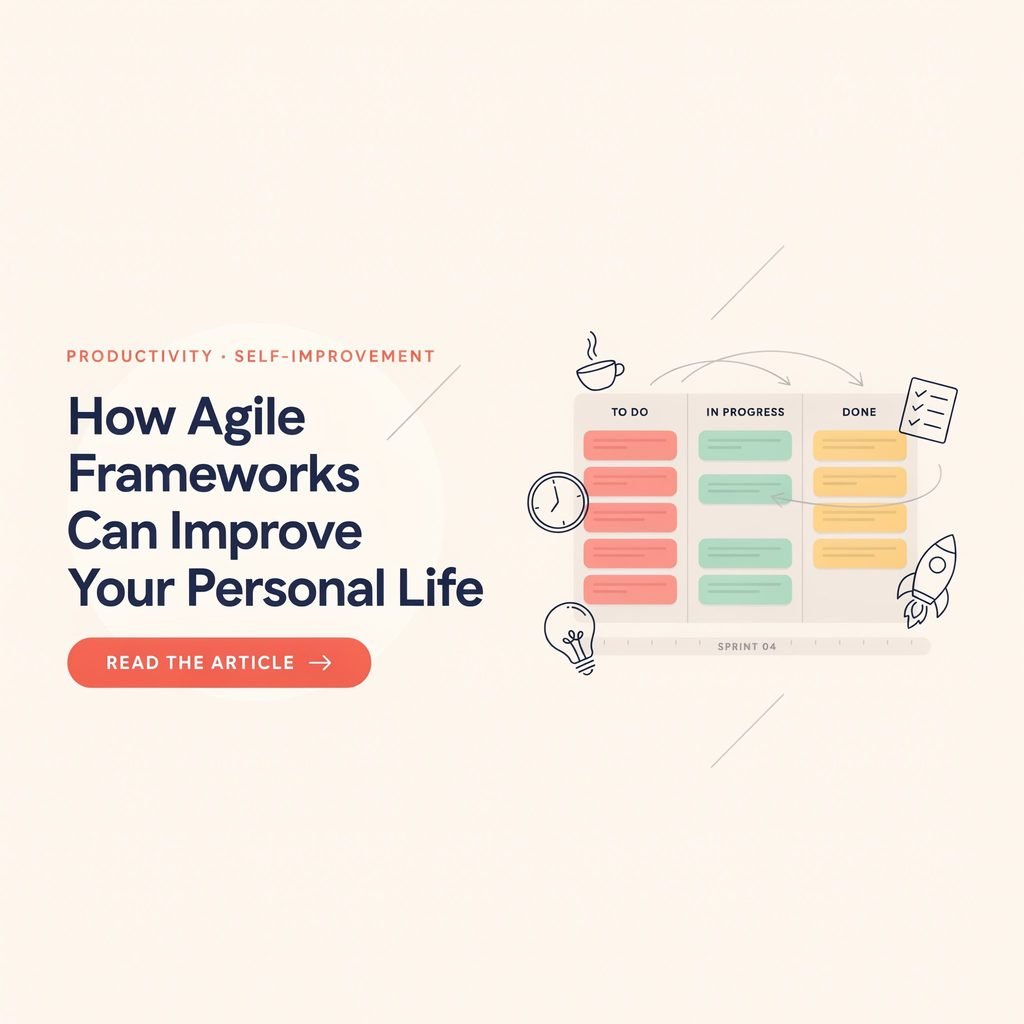
“Eat That Frog” works beautifully alongside other productivity frameworks. You can use it with Getting Things Done (GTD) to prioritize your next actions, with the Ivy Lee Method to structure your day, or with time-blocking to protect your morning deep work sessions.
Build in Accountability
Share your commitment with a colleague, friend, or accountability partner. Tell them you’re going to eat your frog each morning, and ask them to check in. External accountability dramatically increases your chances of sticking with any new habit.
Be Kind to Yourself
There will be days when you don’t eat the frog. You’ll oversleep, you’ll have an emergency, you’ll simply lack the energy. When this happens, don’t spiral into self-criticism. Acknowledge the slip, reset, and commit to eating the frog tomorrow.
Perfection isn’t the goal; progress is. Even if you only eat your frog three days out of five, that’s still three days of tackling your most important work—three days you wouldn’t have had without the practice.
The Ripple Effect: How One Frog Changes Everything
When you consistently prioritize your hardest, most important task first thing in the morning, something remarkable happens. The benefits ripple outward, affecting not just your work output but your entire life.
You develop unshakeable confidence because you’ve proven, day after day, that you can do hard things. You reduce chronic stress because you’re no longer carrying the weight of unfinished important work. You improve your relationships because you’re more present and less anxious. You sleep better because your mind isn’t racing with to-do lists and guilt.
Most importantly, you start making real progress on the goals that matter most to you. Whether it’s building a business, advancing your career, completing a degree, or creating meaningful work, eating the frog ensures that you’re always moving forward on what’s truly important.
Your Frog Awaits: Start Tomorrow Morning
The beauty of the “eat that frog” method is its simplicity. You don’t need expensive software, complex systems, or hours of training. You just need to identify your most important task and commit to doing it first.
Tonight, before you go to bed, take five minutes to think about tomorrow. What is your frog? Write it down. Put it where you’ll see it in the morning.
Tomorrow, when you wake up, resist the urge to check your phone or dive into your inbox. Instead, grab your coffee, sit down at your workspace, and start with that one most important task. Give it your best effort for 60 to 90 minutes. Don’t worry about perfection—just make progress.
When you finish, take a moment to appreciate what you’ve accomplished. You’ve done something difficult. You’ve moved the needle on what matters. And you still have the rest of your day ahead of you.
That’s the power of eating the frog. It’s not about working more hours or grinding harder. It’s about working smarter, building focus and discipline, and creating momentum through intentional action.
Your hardest task first. Every single day. Watch how it changes everything.