Imagine it is 8:30 AM on a Tuesday. Your Slack is already pinging, you have back-to-back Zoom calls until noon, and a 20-item checklist that somehow grew to 25 items by the time you poured your first coffee. Add in a school run, a side gig, and the endless churn of household chores, and it is a recipe for total overwhelm.
We live in a culture that equates busyness with importance. But more tasks rarely equal more progress. Constant context switching drains your focus, leaving you exhausted at 5 PM while feeling like you accomplished absolutely nothing of value.
Enter the Rule of 3 productivity method. It is a powerful, minimalist productivity approach that helps you cut through the noise, prioritize tasks effectively, and end each day with clear, undeniable wins. Instead of drowning in endless to-dos, you learn to simplify your to-do list and focus entirely on what actually moves the needle. Let’s explore how this daily focus strategy can completely transform your workday.
What Is the Rule of 3?
At its core, the Rule of 3 is beautifully simple: choose three meaningful outcomes for any given time horizon. This could be three wins for the day, three goals for the week, or three major milestones for the quarter. By restricting your focus, you force yourself to identify what truly matters.
This focus framework for professionals was heavily popularized by JD Meier in his acclaimed system, Getting Results the Agile Way. Meier realized that humans are not wired to track dozens of competing priorities at once. The system has also been adopted by high-profile business leaders over the years.
Billionaire investor Kevin O’Leary frequently cites Steve Jobs productivity advice as the foundation for his own Kevin O’Leary three things rule. O’Leary notes that if you cannot boil your daily priorities down to just three things, you simply lack clarity.
A crucial distinction in this method is the difference between tasks and outcomes. “Reply to emails” is a task. “Clear the inbox to achieve zero unread messages” is an outcome. “Finish slide deck” is a task, whereas “Move Project X to a client-ready stage” is an outcome. The Rule of 3 forces you to focus on the finish line rather than just the running.
You might also encounter the 3-3-3 productivity method in your research. This related framework maps out 3 big visions, 3 weekly milestones, and 3 daily wins. Regardless of the variation, the goal remains the same: to reduce mental clutter and drive meaningful action.
The Science and Psychology Behind Focusing on Three
Why three? It turns out our brains are biologically hardwired for this specific number. Cognitive psychology tells us that human working memory can comfortably hold about three to four “chunks” of information at once. When you give yourself a laundry list of 15 items, your brain immediately panics and defaults to the easiest, least important tasks.
Three items, however, feel manageable, complete, and highly actionable. This makes the system a brilliant decision fatigue solution. Decision fatigue is a psychological phenomenon where the quality of your decisions deteriorates after making too many choices. By restricting your daily priorities, you bypass the morning paralysis of wondering what to do first.
This concept also ties perfectly into Cal Newport’s famous concept of deep work. Deep work is the ability to focus without distraction on a cognitively demanding task. When you only have three major goals, you are much more likely to carve out deep work blocks to achieve them, rather than fragmenting your attention across ten shallow, low-value chores.
For US audiences juggling multiple roles, this method is an absolute lifesaver. Whether you are a parent, a full-time remote employee, or a weekend creator, this functions as a highly effective ADHD-friendly productivity system. It creates rigid boundaries around your attention, clarifying exactly what success looks like today so you can actually log off and rest.
How to Implement the Rule of 3 in Your Day
Ready to try this time management for entrepreneurs and busy professionals? Here is a step-by-step guide to implementing the Rule of 3 today.
1. Define Your 3 Daily Wins (Outcomes, Not Tasks)
Start every morning—or better yet, the night before—by writing down your three daily wins. Make them specific, measurable, and outcome-focused.
- Remote worker: “Submit Q3 report draft,” “Run a 30-minute team sync,” and “Block 90 minutes for the new client proposal.”
- Freelancer: “Pitch 3 new clients,” “Deliver first milestone to Client A,” and “Update the portfolio site homepage.”
- Student/parent: “Complete Chapter 5 study notes,” “Prep kids’ lunches for tomorrow,” and “Complete a 30-minute home workout.”
2. Schedule Your 3 Wins During Peak Energy Hours
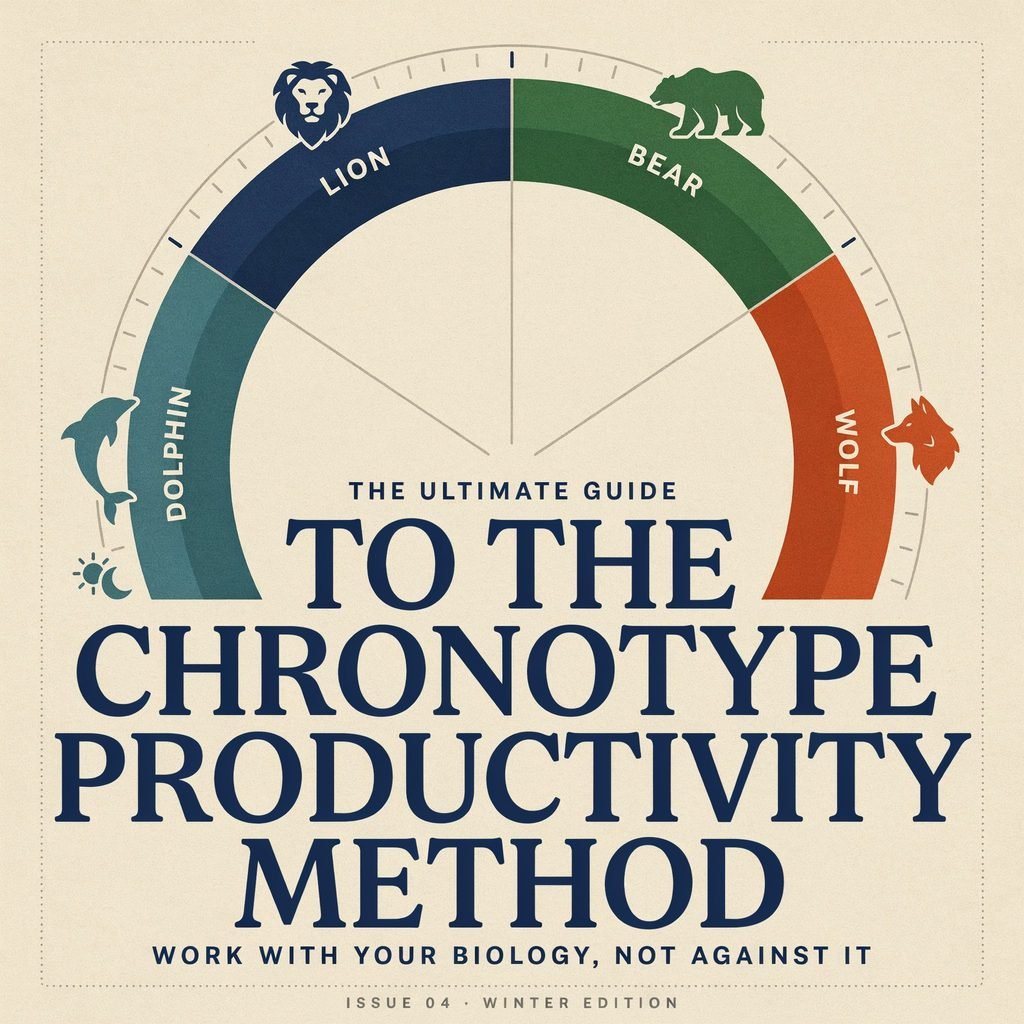
Do not just list your wins; schedule them directly into your calendar. Match your tasks to your natural chronotype. If you are a morning person, schedule your most demanding deep work blocks before 11 AM.
Use time-blocking on Google Calendar or Outlook to claim this time. Treat these blocks as non-negotiable daily tasks. If you wouldn’t skip a meeting with your CEO, do not skip a meeting with your most important work.
3. Protect Your Focus (Signal vs. Noise)
Adopt a variation of the Kevin O’Leary three things rule by using a 70/30 energy split. Dedicate 70% of your day’s energy to your three wins. The remaining 30% is reserved for the noise: emails, Slack messages, and unexpected interruptions.
Implement a few remote work productivity hacks to protect this time. Turn off non-essential push notifications on your phone and use “Do Not Disturb” modes during your focus blocks. Batch-check your email just two or three times a day instead of keeping the tab open constantly.
4. End-of-Day Review (2–5 Minutes)
At the end of your workday, take three minutes to review your progress. Ask yourself: “Did I achieve my 3 wins? What got in the way? What are my top 3 for tomorrow?”
This simple daily habit acts as a micro weekly planning routine. It builds massive momentum, clears your head, and dramatically reduces that dreaded Sunday-night anxiety about the week ahead.
Extending the Rule of 3 to Weeks, Quarters, and Goals
The true power of this system shines when you zoom out from the daily grind. Using the 3-3-3 productivity method, you can easily align your daily actions with your biggest life and career goals.
Here is how the framework breaks down over time:
- 3 Big Visions: Your 90-day North Stars. What major shifts do you want to achieve this quarter?
- 3 Weekly Milestones: The strategic stepping stones that support those larger visions.
- 3 Daily Wins: The micro-actions that feed directly into your weekly milestones.
Let’s look at a US-based solopreneur launching a consulting business. Their 3 Big Visions might be to launch a niche website, grow an email list to 1,000 subscribers, and land 3 paying clients.
Their 3 Weekly Milestones would be to publish 2 blog posts, send 1 newsletter, and do outreach to 10 prospects. Consequently, their 3 Daily Wins become highly tactical: write 800 words, design a section of the lead magnet, and send 3 cold pitches.
This top-down approach prevents “tactical busywork” from crowding out strategic progress. You stop endlessly tweaking your website logo and start doing the actual work that pays the bills.
Common Mistakes and How to Avoid Them
The Rule of 3 is simple, but it is surprisingly easy to mess up if you aren’t careful. Here are the most common pitfalls and how to fix them.
- Picking vague wins: “Be more productive” is a terrible goal. “Finish the outline for the client guide” is a win. Always aim for concrete, verifiable outcomes.
- Choosing tasks over outcomes: “Make phone calls” is a task. “Close two vendor agreements” is an outcome. Always focus on the final result you want to achieve.
- Ignoring energy levels: Scheduling complex data analysis for 3 PM when you usually hit a post-lunch slump is a recipe for failure. Honor your biological clock.
- Letting emergencies override the plan: Urgent things will inevitably pop up. But if a true emergency hijacks your day, formally pause your 3 wins and reschedule them rather than just abandoning them and feeling guilty.
- Not iterating the system: If the system feels too rigid after a week, tweak it. Maybe you need 2 big wins and 5 small maintenance tasks. Adjust until it fits your unique lifestyle.
Real-Life Examples: Rule of 3 in Action
Theory is great, but how does this look in the real world? Here are a few examples of everyday professionals using this method to reclaim their time.
Sarah, a marketing manager in Austin, used to work until 8 PM every night just to “catch up” on emails. By adopting the Rule of 3, she blocked out 9 AM to 11 AM strictly for campaign strategy. She now ships campaigns on time and logs off at 5 PM to enjoy dinner with her family.
David, a nurse in Chicago, works grueling 12-hour shifts but is studying for his nurse practitioner certification. His 3 wins on study days are strictly limited to reviewing flashcards, taking one practice exam, and reading one chapter. He passes his exams without burning out.
Maya, a college student in Florida, works a part-time barista gig while taking a full course load. Her 3 daily wins ensure she maintains a 3.8 GPA without sacrificing her weekends. The before-and-after feeling is universal: less guilt, clearer progress, and vastly improved boundaries.
Tools and Templates to Support Your Rule of 3 System
You do not need expensive software to make this work. A simple notes app, a physical notebook, or a Google Docs template is perfectly fine for tracking your daily 3 wins. Google Calendar remains the gold standard for time-blocking your deep work sessions.
If you prefer a dedicated digital space, there are fantastic free or low-cost apps like “Rule of 3: To-Do List & Focus” designed specifically to enforce the 3-3-3 structure. These apps intentionally strip away the bloat of complex project management tools to keep you focused.
Remember, the tool matters much less than the habit. Whether you use a minimalist productivity approach with a sticky note or a high-tech app, consistency is what drives results.
Conclusion: Start Small, Think in Threes
In a world obsessed with doing more, doing less—but doing it better—is a true superpower. Simplicity beats complexity every single time when it comes to maintaining daily focus and avoiding burnout.
I challenge you to try the Rule of 3 for just one week. Pay close attention to how your stress levels drop, how your mental clarity improves, and how much actual progress you make on the things that matter most.
Tonight, grab a pen and write down your 3 wins for tomorrow. Protect them fiercely. Win the day.